← 全部更新

NLP 学习笔记

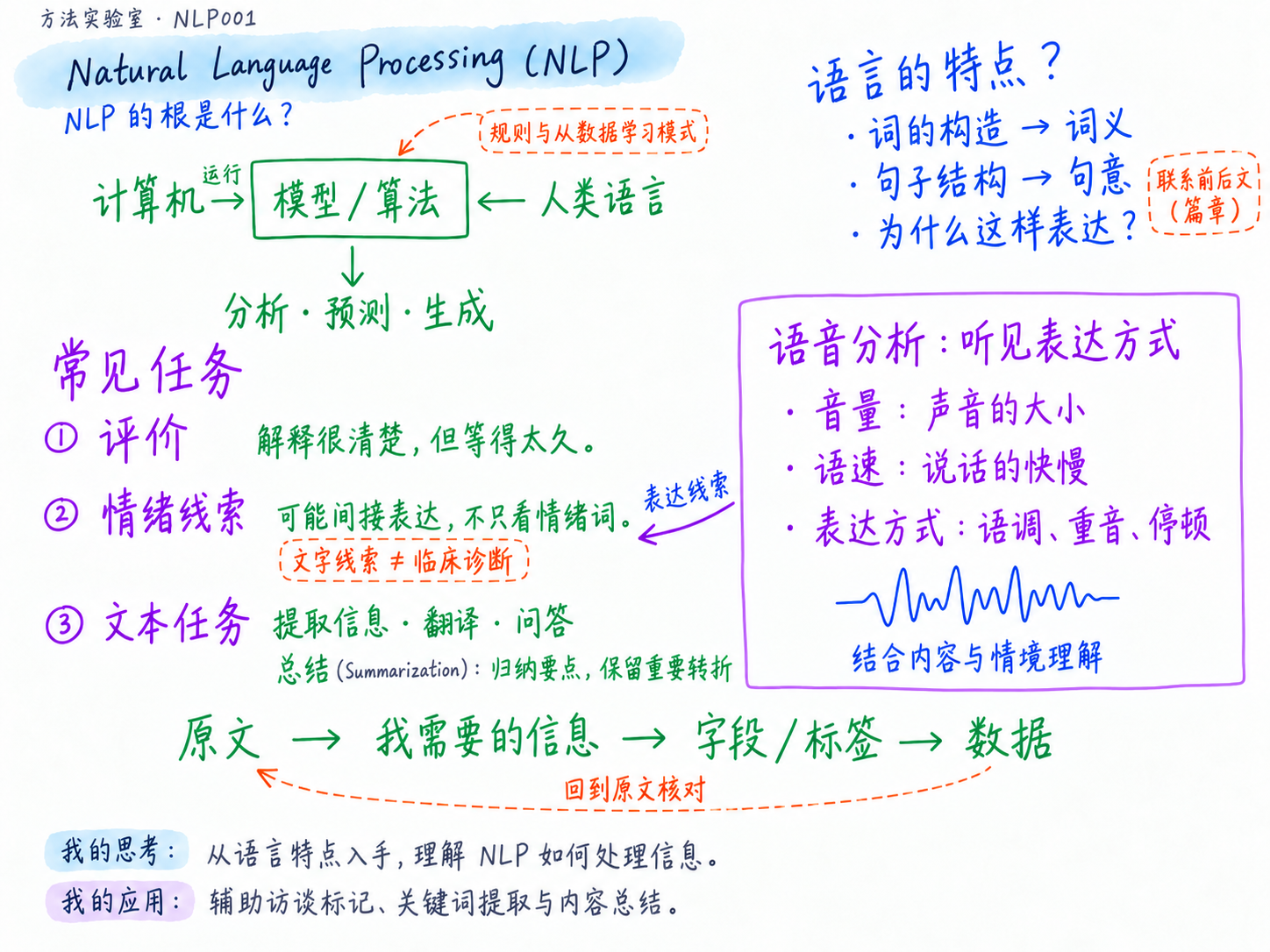
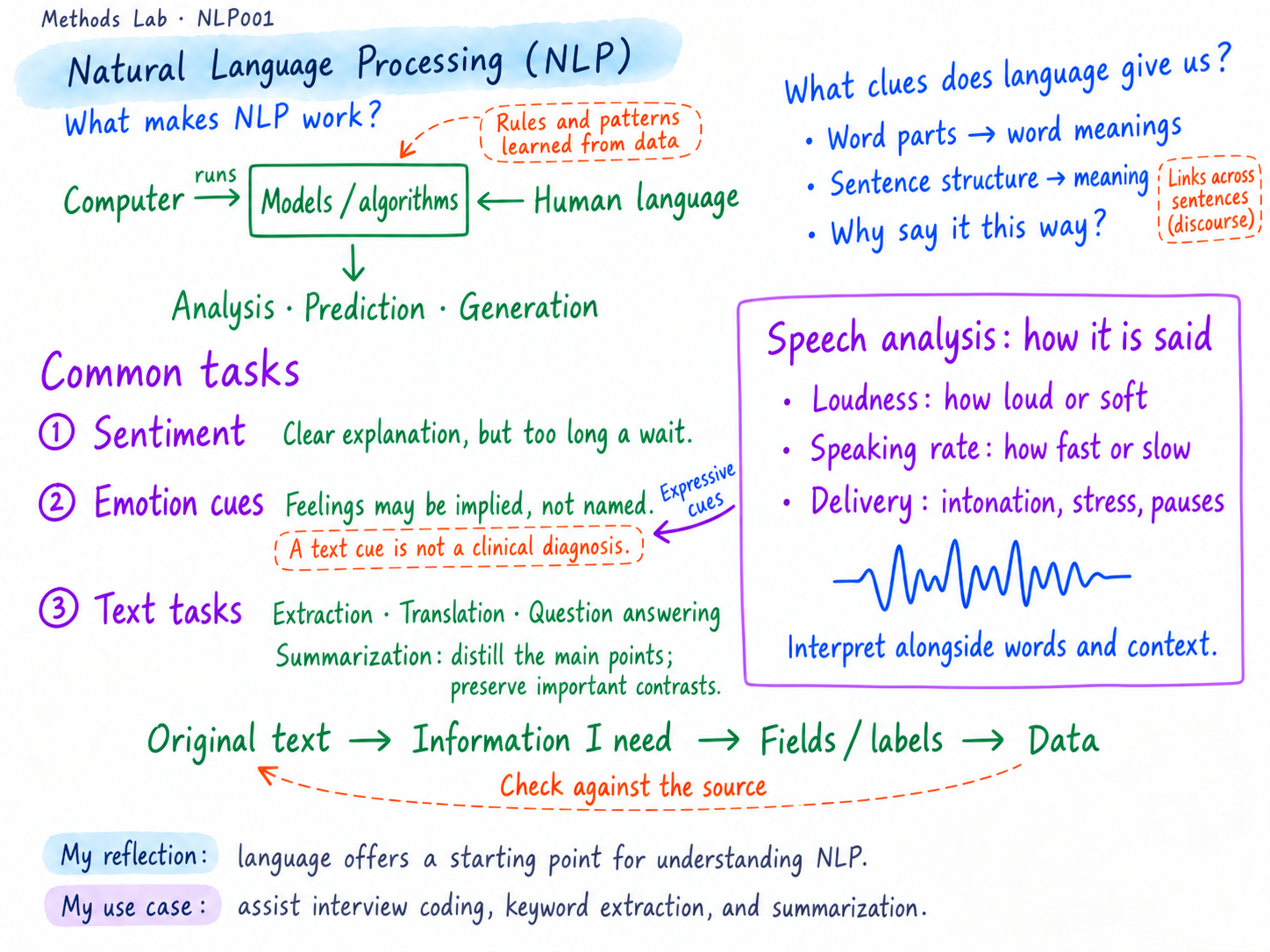
语言、数据与 NLP 的基础知识。

NLP 学习笔记 ·

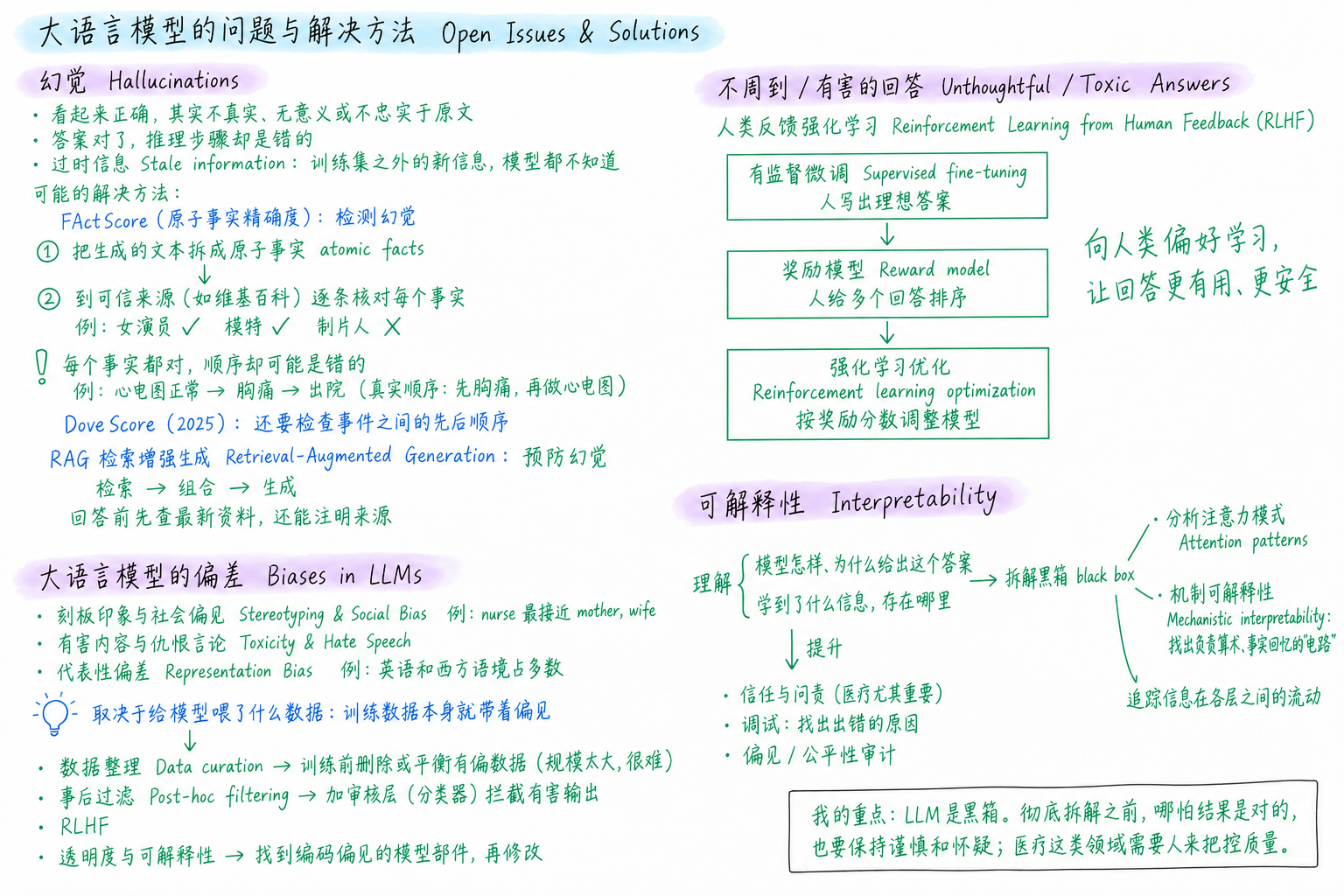
大语言模型的问题与改进:幻觉、偏差、对齐与可解释性

从幻觉和过时信息出发,经过 FActScore、DoveScore 与 RAG,再到 RLHF、偏差的缓解和可解释性,理解大语言模型的问题从哪里来、又能怎样改进。

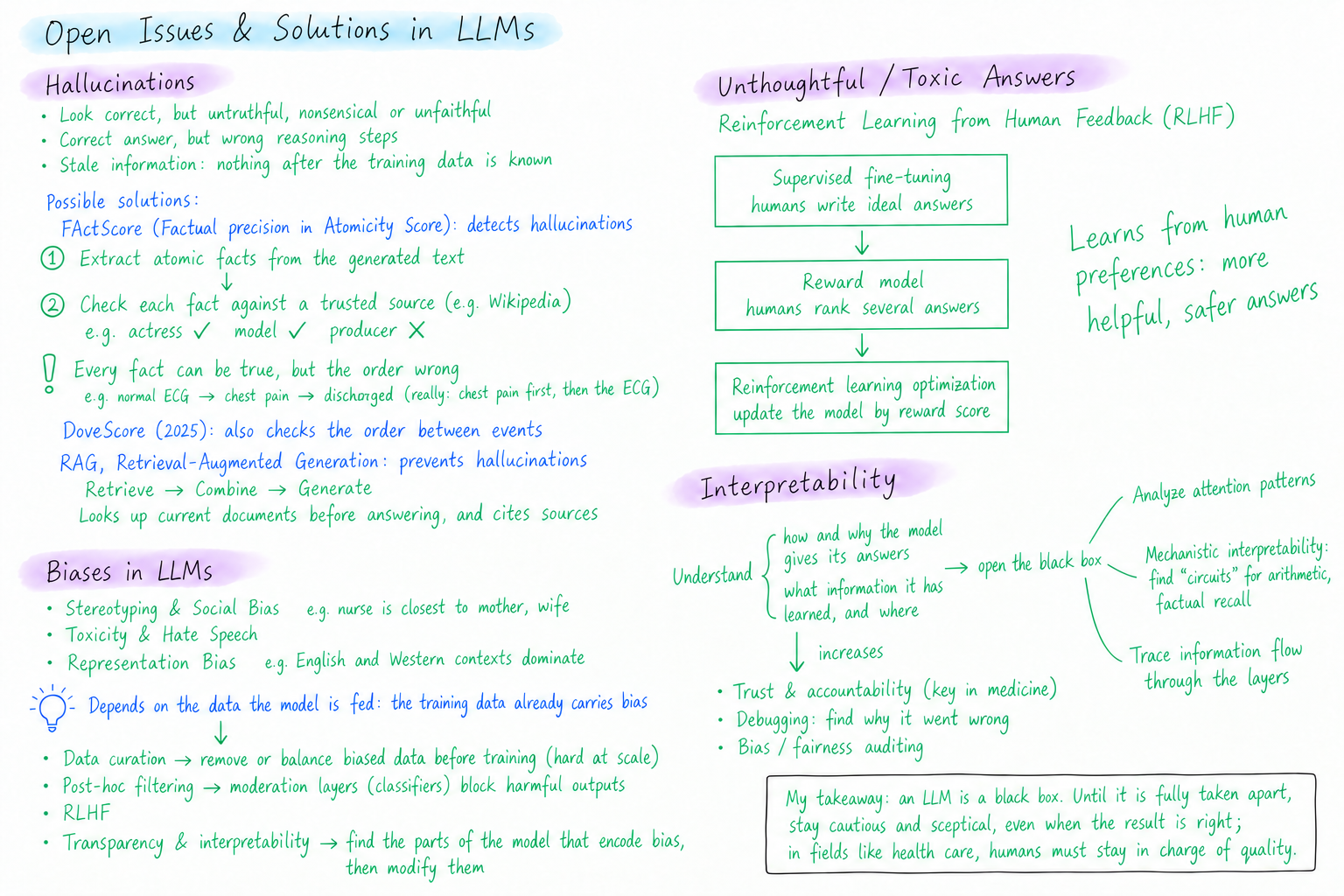
Open Issues in Large Language Models: Hallucination, Bias, Alignment and Interpretability

From hallucination and stale information through FActScore, DoveScore and RAG to RLHF, bias mitigation and interpretability: where the problems of large language models come from and how they can be reduced.
阅读全文 ↗
大语言模型的问题与改进:幻觉、偏差、对齐与可解释性Open Issues in Large Language Models: Hallucination, Bias, Alignment and Interpretability

NLP 学习笔记 ·

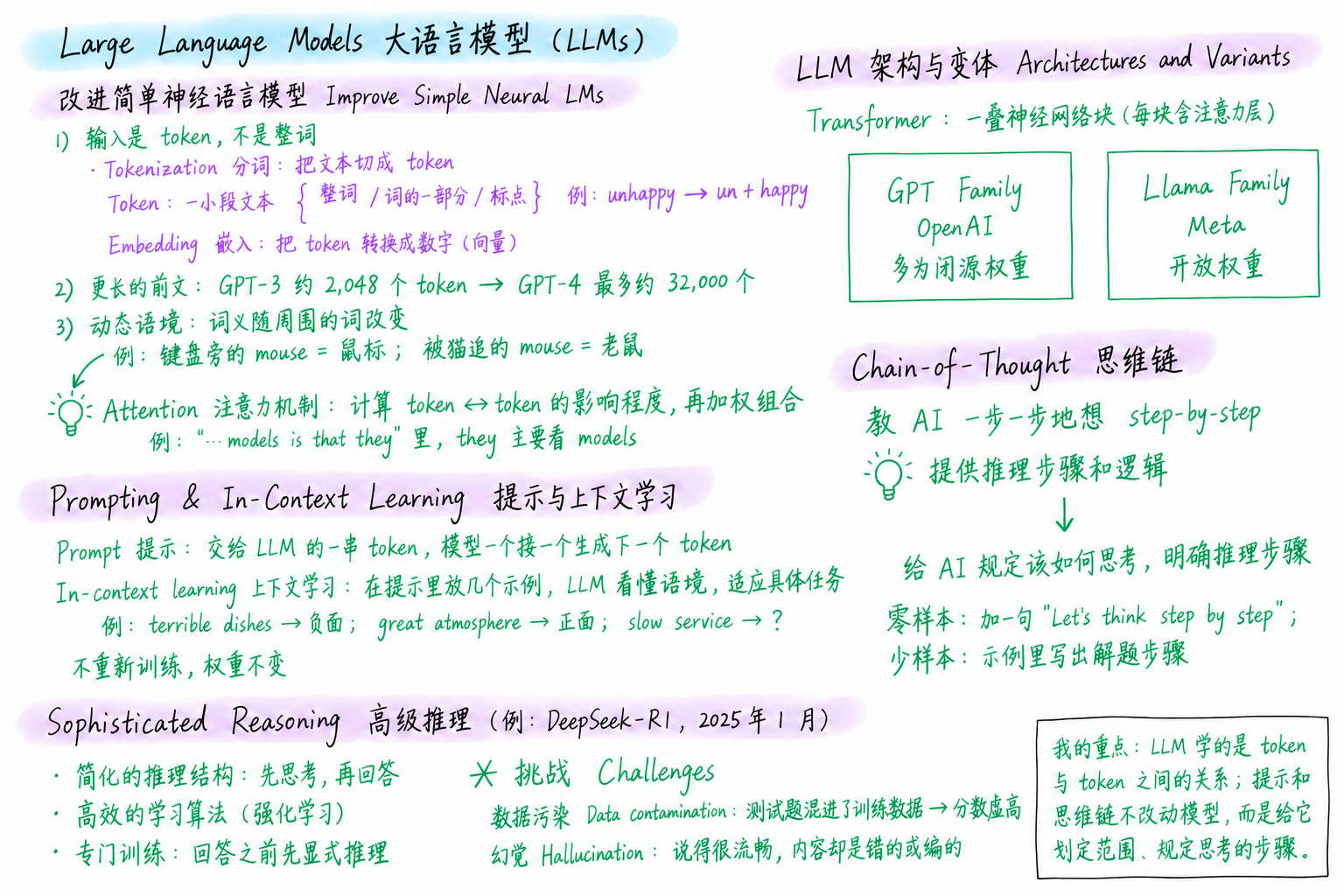
大语言模型:token、注意力、提示与推理

从 token、更长的前文和注意力机制三点改进出发,经过 Transformer 与 GPT、Llama 两大家族,理解提示、上下文学习、思维链和专门训练来推理的模型。

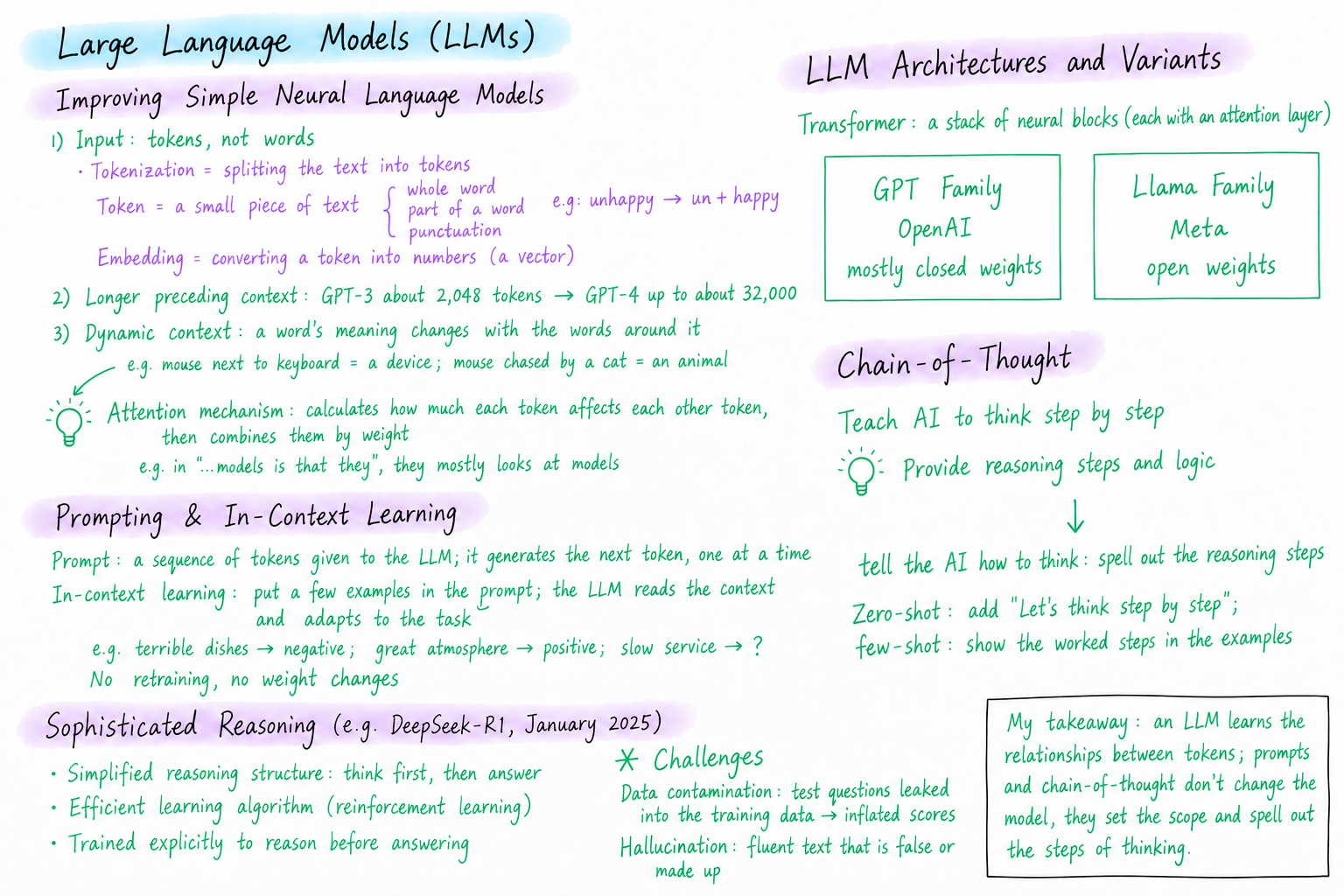
Large Language Models: Tokens, Attention, Prompting and Reasoning

From three improvements on neural language models (tokens, longer context and attention) through the Transformer and the GPT and Llama families: prompting, in-context learning, chain-of-thought and models trained to reason.

阅读全文 ↗
大语言模型:token、注意力、提示与推理Large Language Models: Tokens, Attention, Prompting and Reasoning

NLP 学习笔记 ·

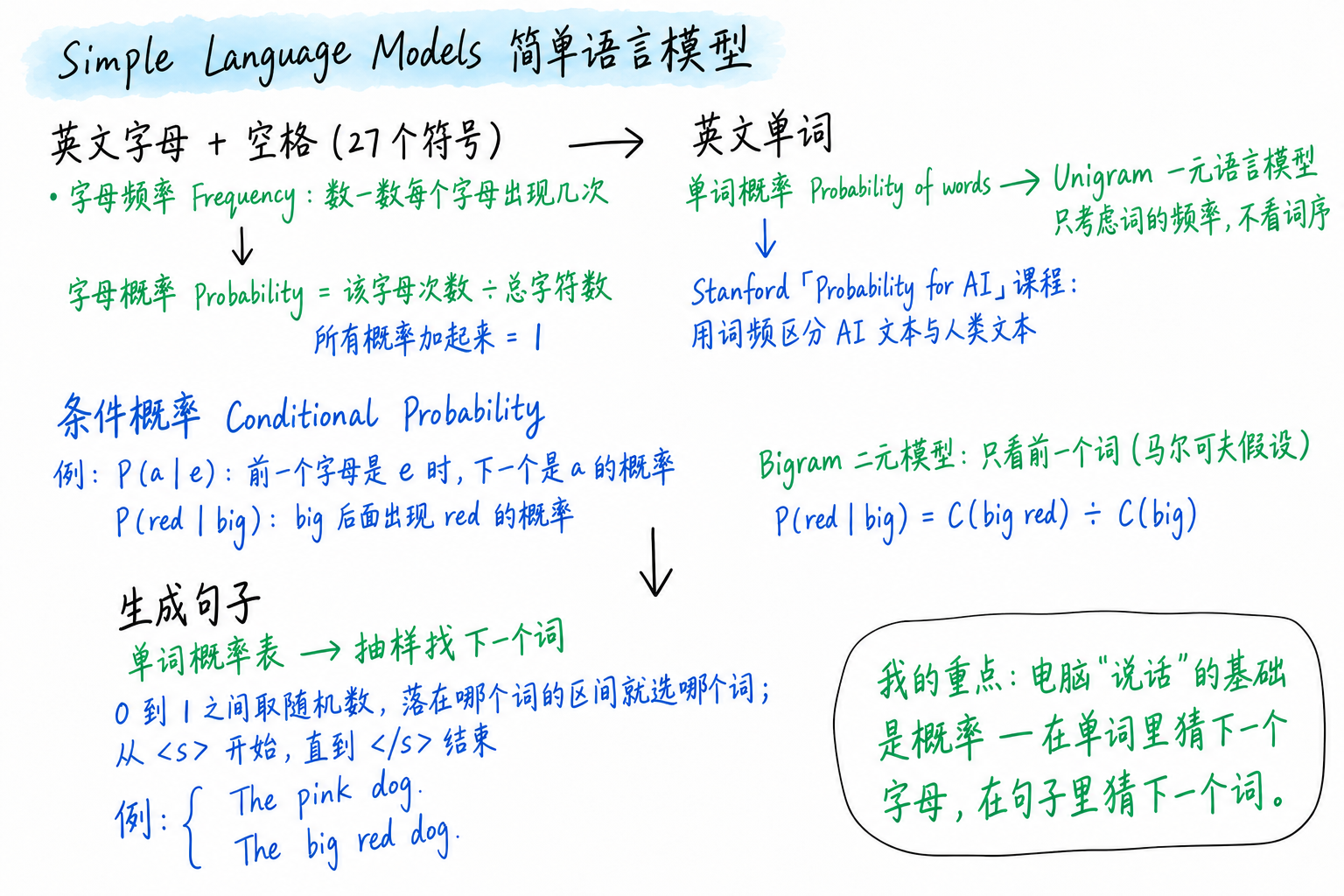
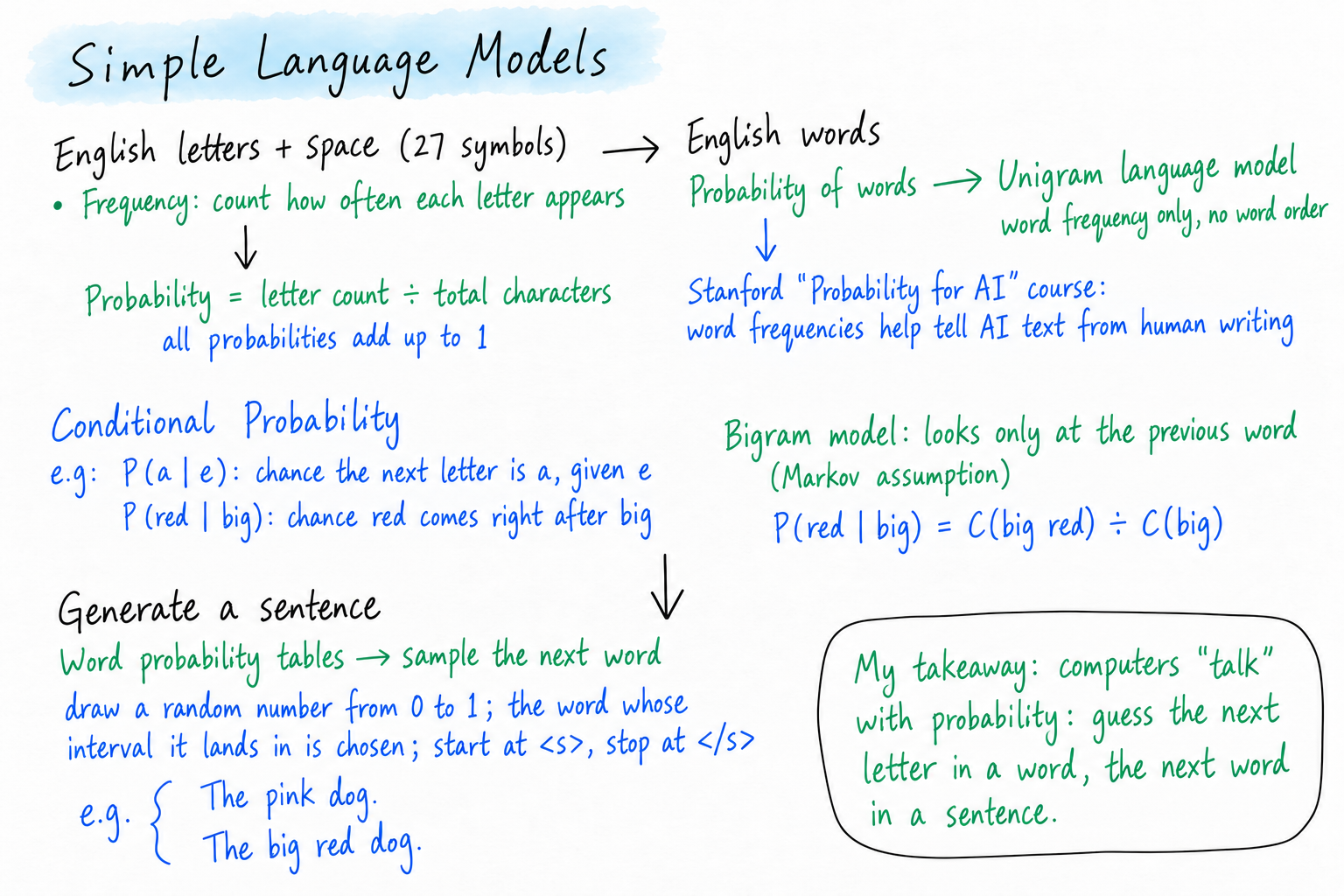
语言模型的基础:概率

从字母和单词的频率出发,经过条件概率与二元模型,理解简单语言模型怎样给句子打分、又怎样一个词一个词地生成句子。

The Basis of Language Models: Probability

From letter and word frequencies through conditional probability and bigrams: how a simple language model scores a sentence and writes one word at a time.

阅读全文 ↗
语言模型的基础:概率The Basis of Language Models: Probability

NLP 学习笔记 ·

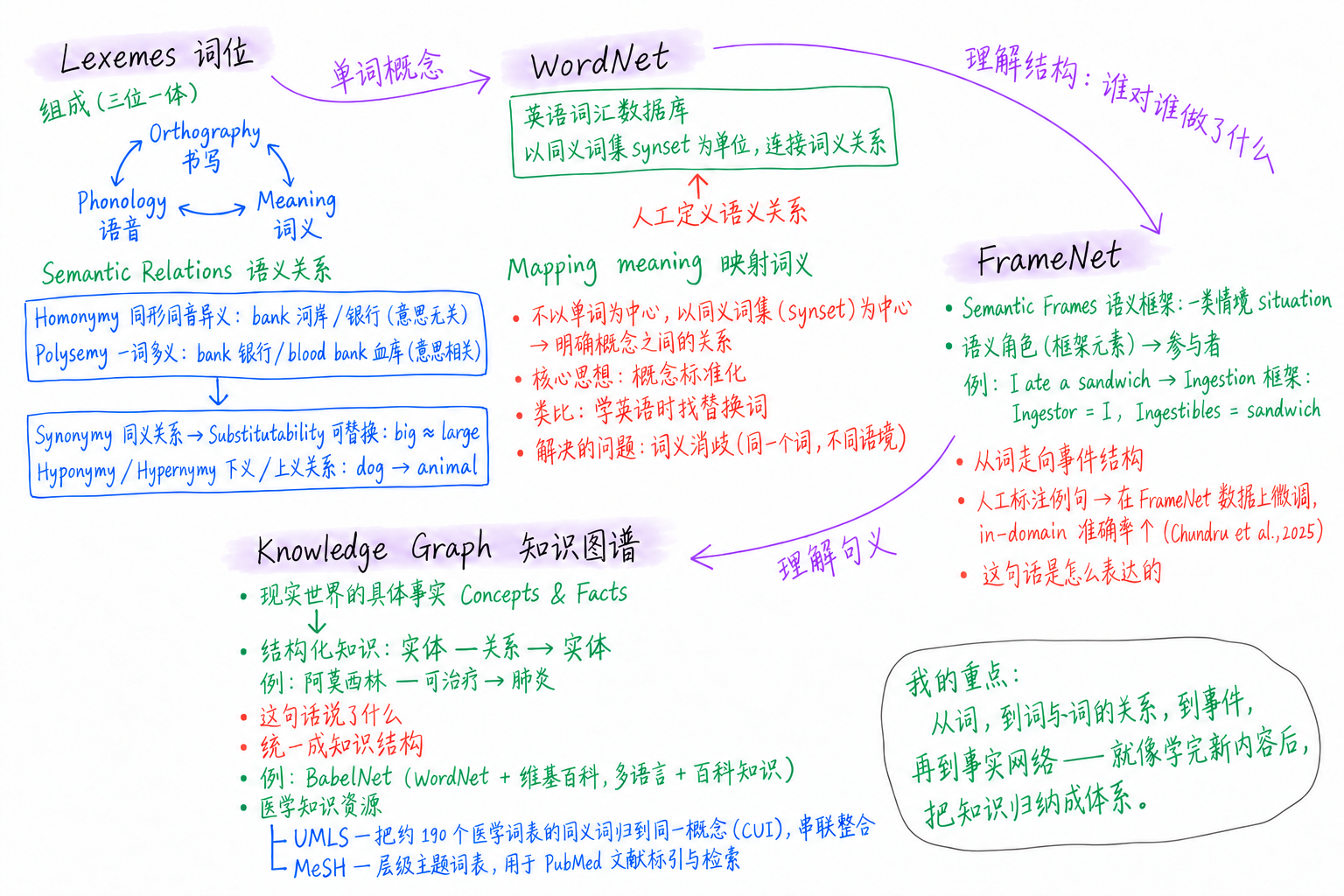
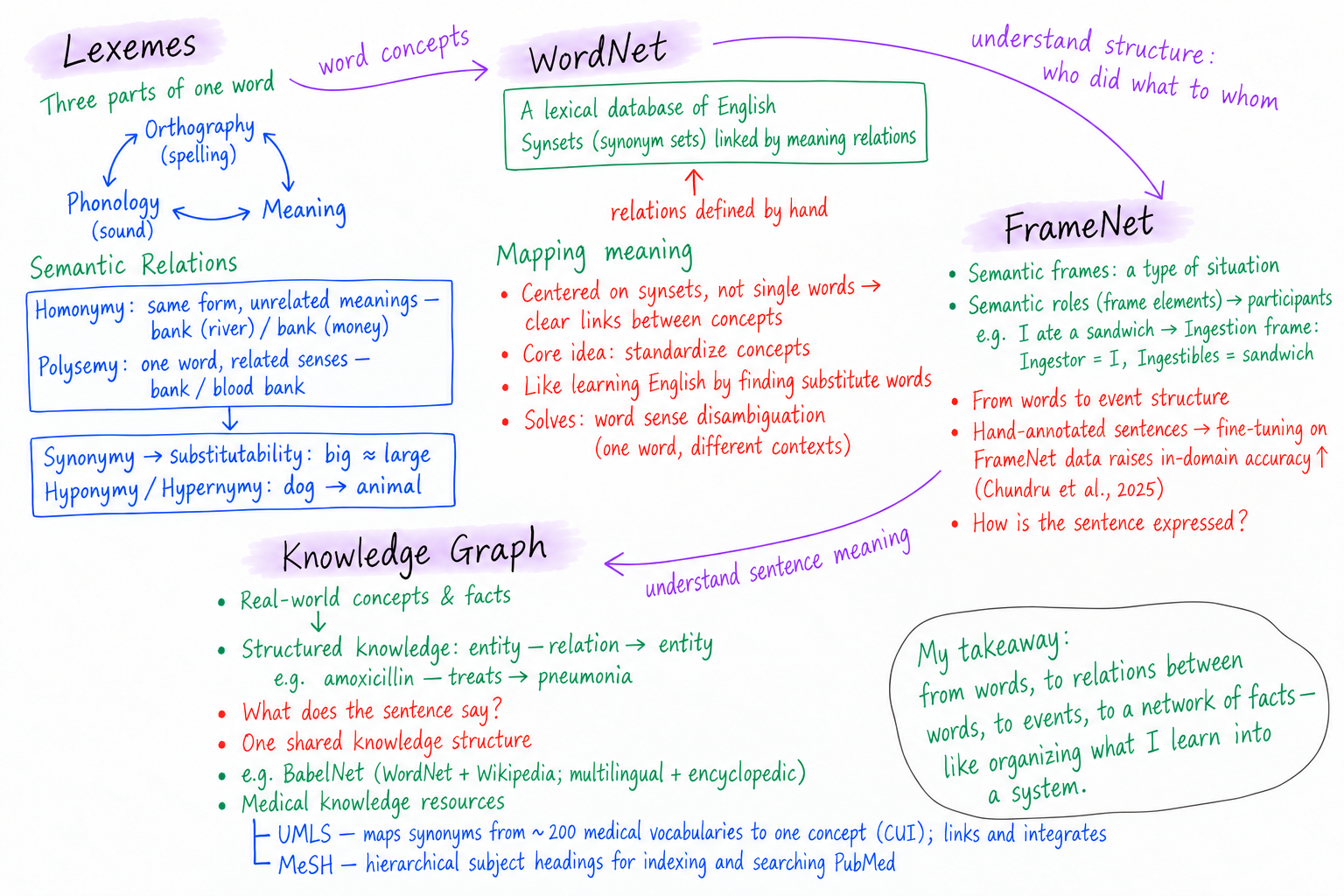
从词义到知识图谱:词位、WordNet、FrameNet 与知识图谱

从词位和词义关系出发,经过 WordNet 与 FrameNet,理解计算机怎样一步步建立知识图谱,以及 UMLS、MeSH 在医学中的作用。

From Word Meaning to Knowledge Graphs: Lexemes, WordNet, FrameNet, and Knowledge Graphs

From lexemes and word relations through WordNet and FrameNet: how computers build up to knowledge graphs, and what UMLS and MeSH do in medicine.

阅读全文 ↗
从词义到知识图谱:词位、WordNet、FrameNet 与知识图谱From Word Meaning to Knowledge Graphs: Lexemes, WordNet, FrameNet, and Knowledge Graphs
原图 / Original ↗